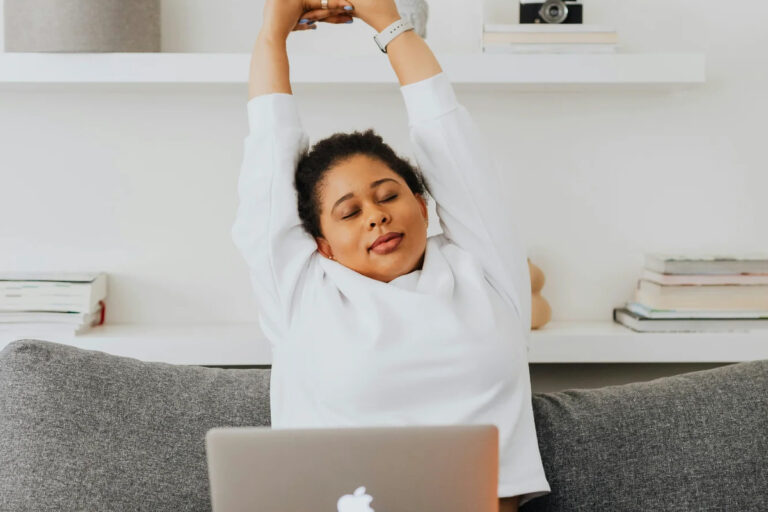
Why Mobility Matters: More Than Just Stretching
In our increasingly sedentary world, the word ‘mobility’ has become a buzzword in fitness circles. But what does it really mean, and why should you care? If you’ve been treating mobility work as just another item on your stretching to-do list, it’s time to rethink your approach.
Understanding the Mobility vs. Flexibility Distinction
While flexibility refers to the passive range of motion in a joint—think touching your toes without moving—mobility is your ability to move a joint actively through its full range with control and stability. It’s the difference between being able to get into a deep squat position (flexibility) versus being able to move smoothly in and out of that position under load (mobility).
Mobility combines flexibility with strength, coordination, and motor control. It’s functional movement that translates to real-world activities—reaching overhead to grab something from a high shelf, bending to tie your shoes, or twisting to look over your shoulder while driving.
The Hidden Cost of Immobility
With approximately 23% of U.S. adults reporting no physical activity outside their regular job, we’re facing an immobility crisis. The consequences extend far beyond stiff joints:
- Chronic pain and compensation patterns – When one joint lacks mobility, other areas compensate, leading to pain and injury
- Decreased functional independence – Simple daily tasks become challenging as mobility declines
- Accelerated aging – Mobility is a key predictor of healthy aging and longevity
- Mental health impact – Physical limitations can reduce the number of poor mental health days by more than 40%
Why Traditional Stretching Falls Short
Many people approach mobility work like they’re checking boxes: hold a stretch for 30 seconds, move to the next one, done. But static stretching alone has significant limitations:
First, passive stretching doesn’t teach your nervous system how to control the new range of motion. You might be able to touch your toes while sitting, but can you hinge properly during a deadlift? Second, stretching ignores the joint itself—you’re only addressing muscle length, not joint health or the surrounding stabilizing structures.
Mobility work, on the other hand, actively engages your muscles, joints, and nervous system together. It builds strength at end ranges and teaches your body to move efficiently through complete patterns.
The Three Pillars of Effective Mobility Training
1. Joint Health and Lubrication
Your joints need movement to stay healthy. Synovial fluid—the lubricant in your joints—only circulates when you move. Regular mobility work keeps your joints well-oiled and reduces stiffness, especially crucial for desk workers who spend hours in fixed positions.
2. Movement Efficiency
Good mobility allows your body to move along its optimal paths, reducing energy waste and wear on tissues. When your shoulder can properly rotate or your hip can fully extend, you use less effort for the same movement—whether that’s reaching, walking, or lifting.
3. Injury Prevention and Recovery
Limited mobility forces your body to compensate. Can’t extend your thoracic spine? Your lower back takes over. Tight ankles? Your knees and hips pay the price. Addressing mobility restrictions prevents these compensation patterns that lead to injury.
Building a Practical Mobility Practice
The good news: you don’t need hours of practice to see results. Research shows that brief, consistent mobility sessions are more effective than occasional marathon stretching sessions. Here’s how to make mobility work sustainable:
Start with 5-10 minutes daily. Consistency beats duration. A short daily practice builds lasting change better than weekly hour-long sessions.
Focus on your limitations. Rather than working through random exercises, identify your specific restrictions. Can’t comfortably sit in a deep squat? That’s your starting point.
Move actively, not passively. Instead of holding stretches, move in and out of ranges. Controlled movement builds both mobility and the strength to use it.
Make it contextual. Tie mobility work to your daily routine—morning wake-up flows, desk break movements, or pre-bed wind-down sequences make practice easier to maintain.
The Mind-Body Connection
Mobility work offers an often-overlooked mental health benefit. Unlike high-intensity exercise, mobility practice activates your parasympathetic nervous system—your body’s rest-and-digest mode. The slow, controlled movements and focus on breath create a moving meditation that reduces stress and anxiety.
This connection between physical mobility and mental wellbeing isn’t coincidental. When your body moves freely and without pain, it signals safety to your nervous system. Physical ease contributes to mental ease.
Mobility Across the Lifespan
While mobility training benefits everyone, it’s particularly crucial for two groups: young people establishing movement foundations and older adults maintaining independence.
For younger individuals, good mobility habits prevent future problems. The sedentary patterns established in your 20s and 30s compound over decades. Starting mobility work early is like investing in your future physical freedom.
For older adults, mobility work directly correlates with independence and quality of life. The ability to get up from the floor, reach overhead, or walk without pain determines whether you can live independently or require assistance. Mobility training isn’t vanity—it’s functionality.
Moving Forward
Mobility isn’t about achieving impressive flexibility for social media or touching your toes to check a box. It’s about maintaining the fundamental human capacity to move freely, without compensation or pain. It’s about being able to play with your kids, travel comfortably, and maintain independence as you age.
In a world that increasingly rewards sitting still, making time for mobility work is an act of self-preservation. It’s choosing long-term function over short-term convenience. Your future self—the one who can still move freely and painlessly—will thank you for starting today.
Because at the end of the day, mobility isn’t just about how your body moves. It’s about how you move through life.
—
Ready to start your mobility journey? EaseUp offers guided mobility routines designed to fit into your busy life—no gym required, no complicated equipment, just 5-10 minutes a day to help you move better and feel better. Download EaseUp today and discover how small, consistent movements can transform your physical and mental wellbeing.
Photo by Nathan Cowley