Desk Worker Anxiety
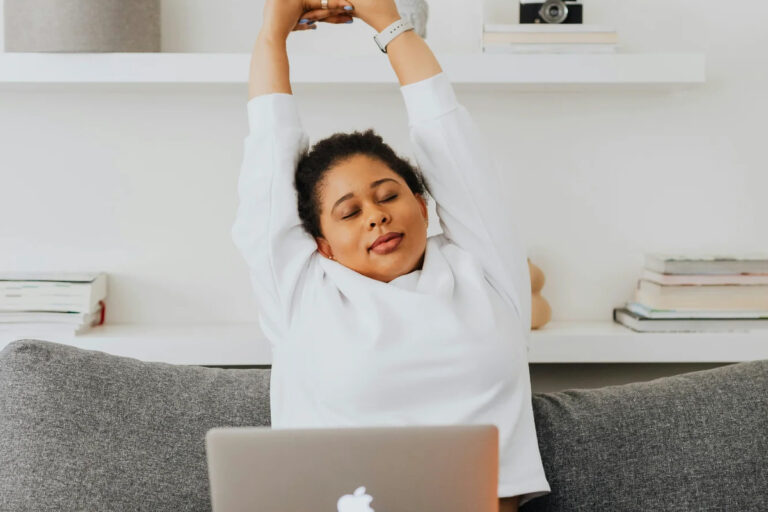
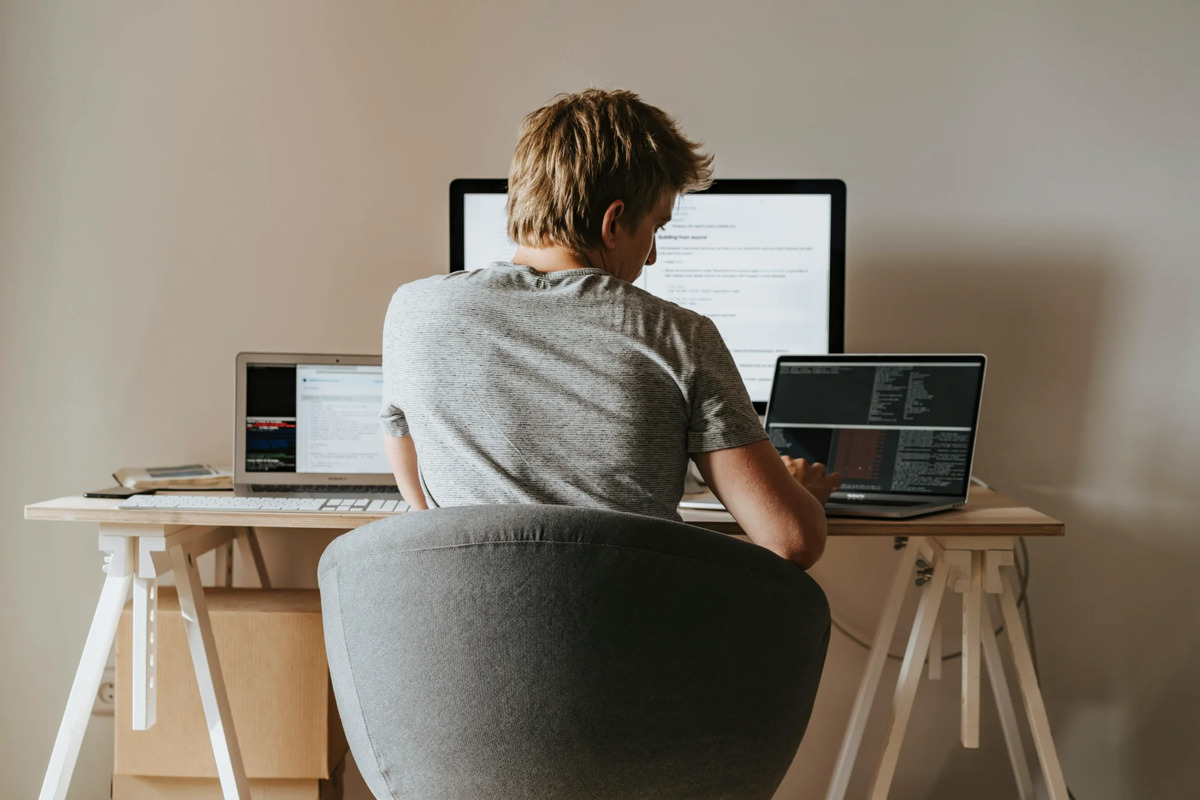
It’s 3 PM on a Tuesday. My shoulders are tight, my lower back aches, and there’s a knot of tension in my chest that has nothing to do with my workload. I’ve been sitting at my desk since 8 AM, and somehow, I feel both exhausted and anxious at the same time.
Does this sound familiar to you? After more than 20 years working at a desk, I’ve experienced this over and over. The gradual realization that sitting all day doesn’t just affect my posture. It affects both body and mind.
The stiffness. The mental fog. The anxiety that seems to come from nowhere. It took me years to understand the connection between my sedentary work life and my mental state. And it took even longer to figure out what actually helps. Working from home was an aggravating factor because when I worked in a regular office, walking from a meeting room to another was helping a bit. Of course, aging doesn’t help, even though I’ve been exercising consistently. What was easy when I was 25 became challenging at 50. It’s never too early to start taking action.
The Desk Worker Anxiety Epidemic
Looking at the numbers, they don’t tell a good story. According to America’s Health Rankings, 23.4% of U.S. adults get no physical activity outside of work. For desk workers, it’s even worse as research shows office workers sit an average of 9–10 hours a day, including commuting and evening screen time.
A study published in The Lancet found that sitting for more than eight hours a day without physical activity increases the risk of anxiety and depression by 25–30%.
Our bodies weren’t designed for prolonged stillness and our brains know it.
The physical effects are well known: tight hip flexors, weak glutes, rounded shoulders, chronic lower back pain. But the mental effects often go unnoticed. The restlessness, the difficulty concentrating, the low-grade anxiety that seems to have no cause. I lived with those for years, dismissing them as “work stress.” It took me a long time to realize that my body was shaping my mood.
This isn’t just a physical health crisis. It’s a mental one.
Your body and brain aren’t separate systems. When one suffers, the other follows.
In most companies where I worked, “wellness” education focused only on basic posture of the back and arms, never on how long hours of stillness impact the mind.
Research consistently shows a direct link between sedentary behavior and anxiety. When we sit for extended periods:
- Stress hormones stay elevated. Without movement, cortisol lingers.
- The nervous system gets stuck. The “fight or flight” response has nowhere to go.
- Breathing becomes shallow. A compressed posture limits diaphragm movement.
- Physical tension compounds mental tension. The brain interprets muscle tightness as a signal of threat.
Why Your Body Holds the Key to Your Mental State
When my body is stiff, my brain reads it as danger. Hunched shoulders signal defensiveness. Tight hip flexors tell my nervous system that I’m not safe to move freely.
This becomes even more critical as we age. After years at a desk, I needed physical therapy to undo the damage. Mobility isn’t just about preventing pain, it’s about preserving freedom. The flexibility and range of motion you maintain in your 30s and 40s will define your quality of life in your 60s and beyond. You can confirm it yourselves by simply talking to older adults. Many regret not taking movement seriously earlier in life.
That’s why I built a mobility routine into my daily life, not to become an athlete, but to feel good in my body, now and later. Movement became my way to keep both my muscles and my mind flexible.
What Doesn’t Work (And Why Most Solutions Fail)
Let me tell you what I tried:
“Just exercise more” – Great advice, except after 8-10 hours at a desk, the last thing I wanted was a full workout. The effort was just too much.
“Try meditation apps” – Tested 3 different ones. Used each for maybe three days. They were great at meditation, but did nothing for my physical tension.
“Get a standing desk” – Bought one. Still felt anxious. Because standing in one place all day isn’t movement either.
The problem with all these solutions? They treated symptoms in isolation. Anxiety is mental, so here’s a meditation app. Stiffness is physical, so here’s a stretching routine. But they’re not separate problems.
What Actually Works: A 4-Pillar Approach
After years of trial and errors, I realized that desk worker anxiety requires a comprehensive approach, not just targeting the mind or just targeting the body, but both, integrated into daily life.
This realization shaped how I built EaseUp. Not as another meditation app or another fitness app, but as a tool that addresses the whole interconnected system. Plus, it requires a single low price subscription.
1. Breathe: Regulate The Nervous System
When you’re anxious, your breathing changes. It becomes shallow and chest-focused. But here’s the key: the relationship works both ways. Change your breathing, and you change your mental state.
Box breathing, 4-7-8 breathing, resonance breathing, these aren’t just relaxation techniques. They’re tools to actively shift your nervous system from “fight or flight” to “rest and digest.”
For desk workers specifically, this means you can intervene during the workday. Three minutes of intentional breathing between meetings can reset your entire afternoon.
2. Move: Release Physical Tension
This is where my personal experience really shaped the approach for the app. I didn’t need a gym routine. I needed targeted relief for the specific areas that desk work destroys: shoulders, neck, hips, lower back.
The mobility routines in EaseUp are designed for real life:
- Morning wake-up flow: Before you even sit down
- Desk worker relief: Shoulders, neck, and hip flexors
- Evening unwind: Release the day’s accumulated tension
No equipment. No gym. Just 5-10 minutes of intentional movement that addresses exactly where desk workers hold tension. It does not mean I don’t exercise outside of the mobility routines, but I’m more intentional on taking care of my body.
3. Reflect: Process Mental Clutter
Your mind races all day with emails, deadlines, decisions. Where does it go?
Journaling isn’t just “dear diary.” It’s a tool to externalize the mental noise so it stops cycling in your head. When you’re stuck in analysis paralysis or ruminating on a difficult conversation, writing it down creates distance. You should try it for a week. You’ll experience it first hand.
Guided prompts make this accessible even when you don’t know what to write. “What’s draining my energy today?” “What would make tomorrow easier?”
To overcome the challenge of getting started, EaseUp provides 120+ guided journaling prompts organized by mood and theme, plus free-form writing when you know what you need to say.
4. Track: Understand Patterns
Here’s what I wish I’d done earlier in my career: tracked when I felt good and when I felt terrible.
Mood tracking reveals patterns you can’t see in the moment. Maybe you’re always anxious on Mondays. Or after back-to-back video calls. Or when you skip lunch.
Once you see the pattern, you can change it. Schedule a walk after those meeting marathons. Block lunch time. Move your most stressful work to Tuesday.
EaseUp provides quick mood logging with context tags, so you can spot what actually affects your well-being, and what doesn’t.
Your desk job doesn’t have to break your body or your mental health. But ignoring the connection between physical tension and mental anxiety isn’t sustainable.
After 20+ years at a desk, I can tell you this: the anxiety, the tension, the stiffness, none of it is inevitable. But it also doesn’t fix itself.
What I wish I’d known earlier: small, consistent practices beat ambitious plans every time. Five minutes of intentional movement matters more than the gym membership you never use. Two minutes of breathing between meetings does more than the meditation retreat you’ll take “someday.”
Download EaseUp free | No account required | Works offline